THE RED IGBO: JET BLACK, MAHOGANY, BRONZE, COPPER, AND LIGHT-SKINNED — A HISTORICAL ABORIGINAL IGBO PHENOTYPIC AND GENETIC SPECTRUM
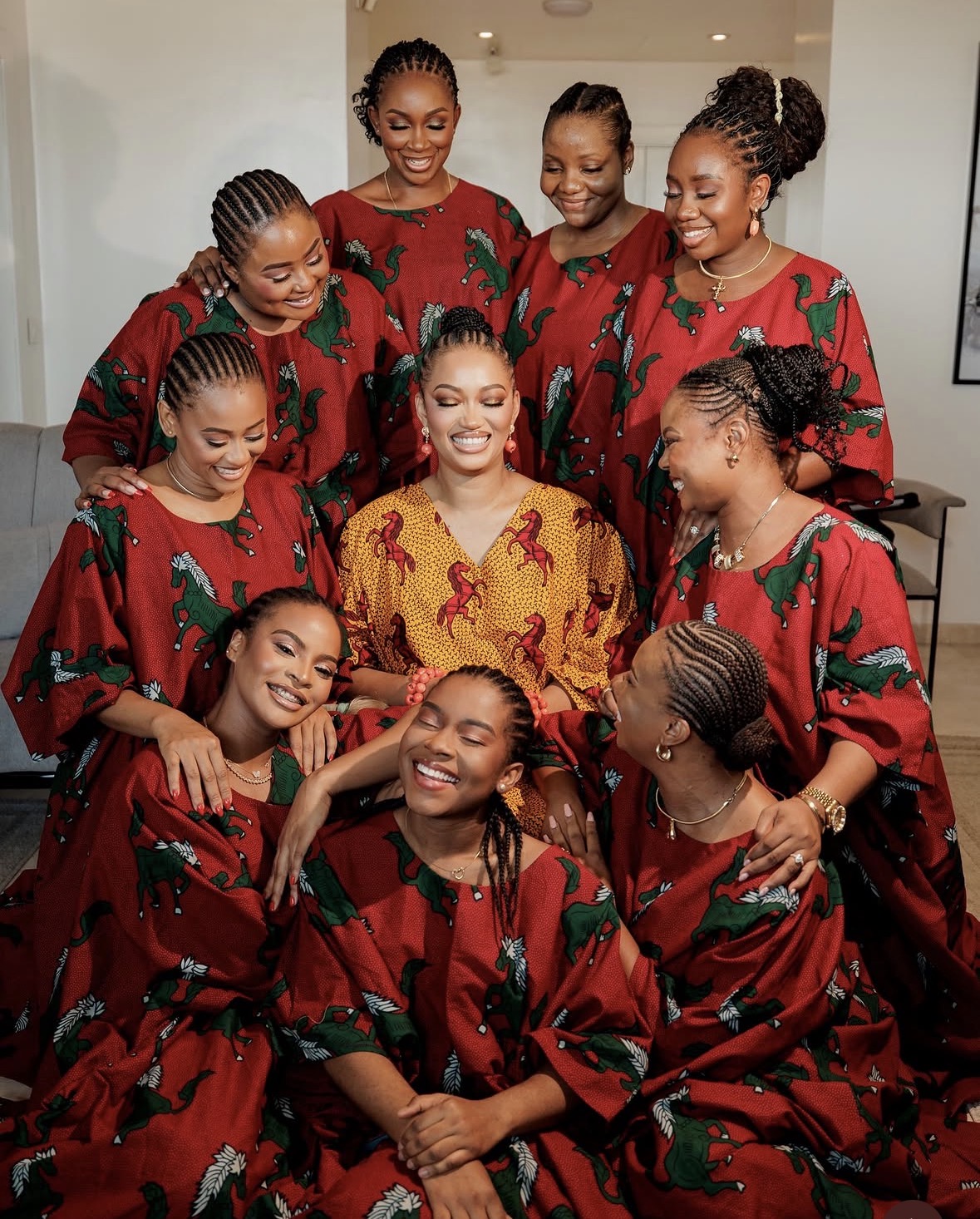
The people historically documented as the Igbo (also known as Eboe, Ibo, Heebo, Ibu, or Hackbous) of Southeastern and South-south Nigeria possess the broadest and most distinguished phenotypic spectrum in West Africa long noted in historical accounts. While modern discourse often attempts to frame skin tone through the lens of social colorism, a deeper examination of history and genetics reveals a more grounded reality: the Igbo nation represents a highly diverse indigenous population with a long-standing and internally varied complexion range. They possess an aboriginal genetic structure that has produced a spectrum ranging from primordial jet black to tones historically described as bronze, copper, and in many cases notably light or nearly white, united by a consistent warmth and visual radiance that has been repeatedly observed within the West African subregion.
Despite this diversity, the Igbo have historically been associated with lighter complexions. This is not due to the absence of darker-skinned individuals who are numerous but rather because even among darker Igbo populations, the depth of pigmentation often differs from that observed in some neighboring West African groups. In general, Igbo individuals tend to appear relatively lighter or more warm-toned by comparison, contributing to their long-standing identification with fairer hues. Additionally, they possess one of the highest concentrations of yellow or peach-toned individuals in West Africa, a group historically referred to as the “Red Igbo” (Oye-Igbo), further reinforcing this association in both historical and ethnographic records. [1][2][3][4]
The Scientific Foundation: E-M2 and the Primordial Spectrum
The scientific anchor for this phenotypic distinction lies in Haplogroup E-M2 (including the E-M191 subclade). Genomic research identifies the Igbo as having one of the highest frequencies of this Y-chromosome lineage, which is widely distributed across West and Central Africa and strongly represented in regions including Eastern Nigeria. This lineage is associated with long-standing population continuity and is often linked to early Niger-Congo expansions in the eastern Nigeria–western Cameroon region [6][13].
Because the Igbo carry this established regional genetic lineage at high frequencies without requiring significant Eurasian admixture, their diverse range of complexion can be understood as a naturally occurring, indigenous development. Modern genetic research further demonstrates that skin pigmentation is not controlled by a single factor but by multiple genes acting together. Variants associated with both lighter and darker skin are deeply rooted in human populations and are present within African groups themselves [14][15]. Within the Igbo population, this results in a visible and continuous range of expression, rather than a narrow or uniform phenotype [14].
Melanin and the Internal Radiance: The Igbo Spectrum
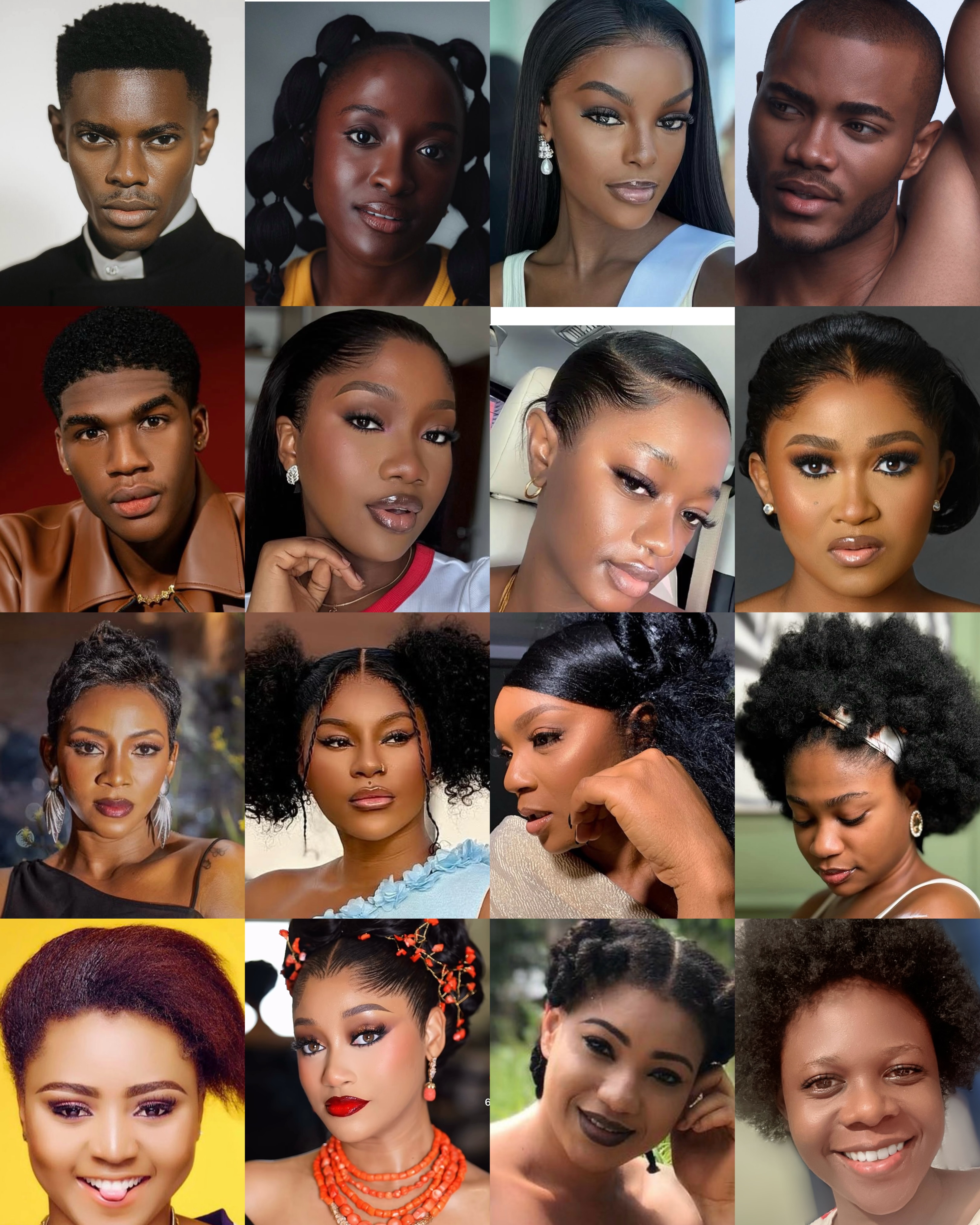
The Igbo nation is notable for possessing a large and visible pool of light-skinned individuals, existing alongside a strong and dominant presence of darker complexions. This coexistence is not contradictory but characteristic of the population. The distinction of the Igbo spectrum lies not only in the range itself but in the quality of tone observed across that range.
Historical accounts by Hugh Crow (1830) describe the Igbo as consistently much fairer and yellower than populations of the Gold Coast or Whidah [2][3], while James Cowles Prichard in Researches into the Physical History of Mankind (1837) documents a population exhibiting a range of shades, including lighter complexions [3]. In Olaudah Equiano’s The Interesting Narrative (1789), Igbo people are described as mahogany-coloured and red, emphasizing warmth of tone [1]. These descriptions are not isolated remarks but recurring observations across independent sources.
Additional accounts reinforce this pattern. A 19th-century description records a Scottish traveller describing a young Eboe woman as fair enough to have passed for a mulatto, further illustrating the presence of notably light complexions within the population [5]. Lexicographic and colonial records likewise describe Eboes as much yellower than the Gold Coast and Whidah Negroes, with references to “Red Eboe” used to denote individuals of lighter or yellowish complexion [4][12].
Warm Undertones Across All Shades
These accounts are consistent and independent, pointing to a population that stood out not only for diversity of shades, but for a high frequency of lighter-toned individuals within that diversity. The spectrum is unified, with no single shade defining status or identity.
This observed “fairness” extends even to the darkest Igbo individuals. Many Igbo people of jet black or deep mahogany complexion do not typically present the cool, flat tone seen in many neighboring groups. Instead, these tones carry a warm undertone often described as red, copper, or golden.
Deep tones (jet black, mahogany) carry warm undertones
Mid tones (bronze, copper) exhibit radiance and brightness
Lighter tones show clear, luminous skin with warmth rather than pallor
Cooler dark tones are present in contemporary populations, but remain less widespread than darker tones with warm undertones. This consistent undertones distinguishes the Igbo phenotype from neighboring populations often described with cooler or flatter tones.
Uhie, Oyibo, and Indigenous Perception of Complexion
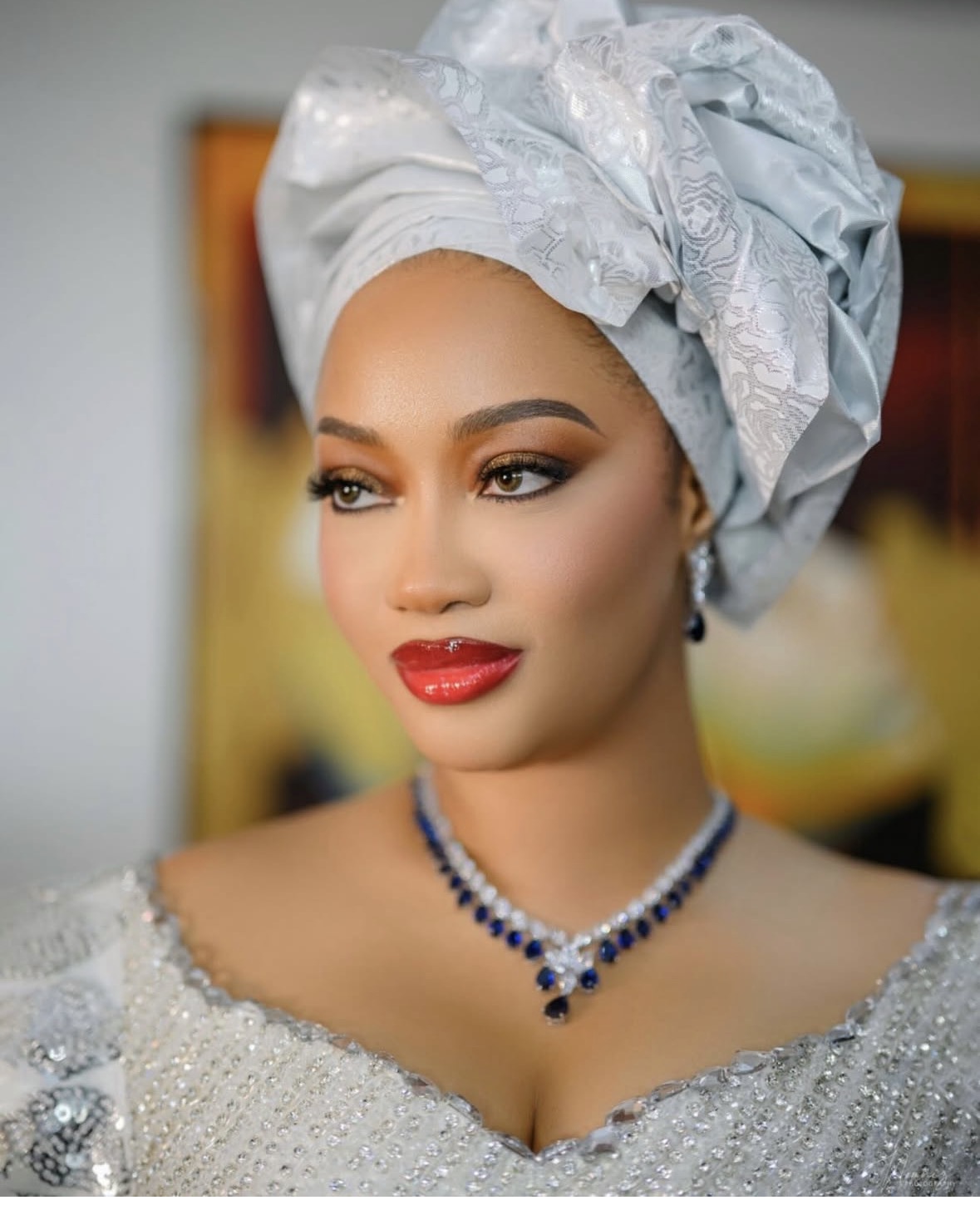
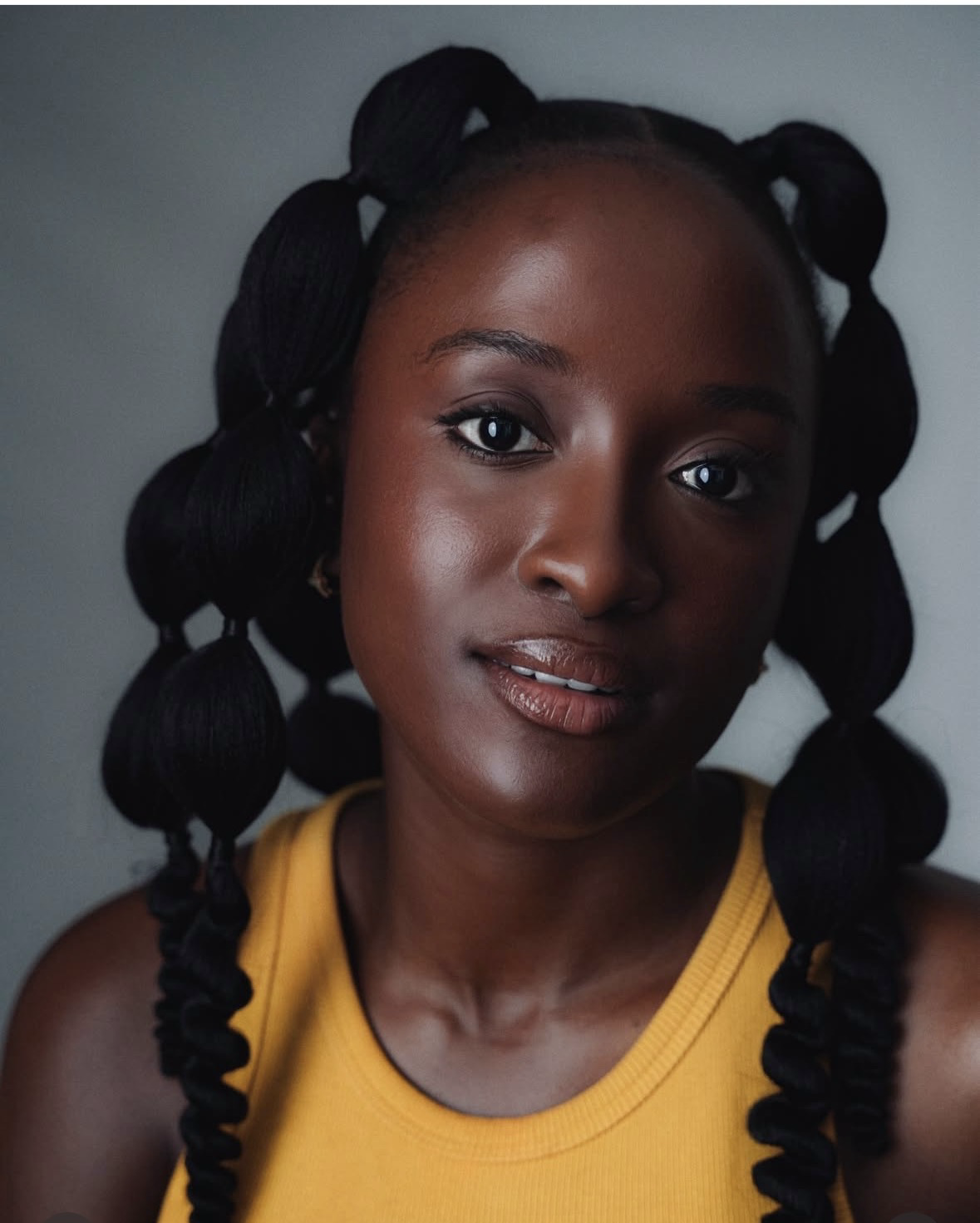
This signature radiance present across different shades was historically recognized within Igbo society itself. The term Uhie, referring to red camwood, was widely used not only as a cosmetic and ritual substance but also as a marker of vitality, status, and aesthetic value.
In Olaudah Equiano’s 1789 narrative, individuals identified as “Oye-Eboe” were described as stout, mahogany-coloured men—red men [1]. This terminology reflects an existing indigenous classification of complexion, in which “redness” or warmth was a recognized feature of appearance.
When Europeans arrived, their appearance was interpreted through this existing framework. Their lighter skin was compared to the already established category associated with redness or brightness, and the term was extended accordingly, eventually contributing to the modern word Oyibo [1]. This indicates that tonal distinctions were already embedded in Igbo language and perception prior to European contact.
Colonial Perceptions: Complexion, Intelligence, Industry, and Civilization
The colonial fascination with the Igbo was driven not only by their physical appearance but also by their proven distinguished intelligence. Observers acknowledged a nation that was naturally far the most intelligent, industrious, cleanly people in the protectorate [9]. This advanced social character was expressed through centuries of technical mastery; for time out of mind, the Igbo served as blacksmiths to the surrounding tribes, producing high-quality agricultural implements and formidable weapons that were eagerly sought by less skilled neighbors.
Their civilization was further marked by organized settlements and structured town layouts, high standards of cleanliness and order, intensive agriculture and plantation systems, artistic and commercial dominance. Igbo textile mastery produced a native cloth wrought by them that sold at such a high price it formed the principal part of local marriage dowries. Furthermore, their genius for ivory-carving produced models of nature so true to life that they were excelled by few even among more favoured artists [9]. This combination of mercantile success, industrial skill, and an indomitable spirit, observed alongside a population with a notable concentration of light-skinned individuals occasionally described as nearly white, propelled 19th-century colonists to develop theories such as strong Caucasian innervation to explain away such indigenous excellence and the observed spectrum of complexion [2].
The Diaspora: Igbo Identity in the Caribbean and America
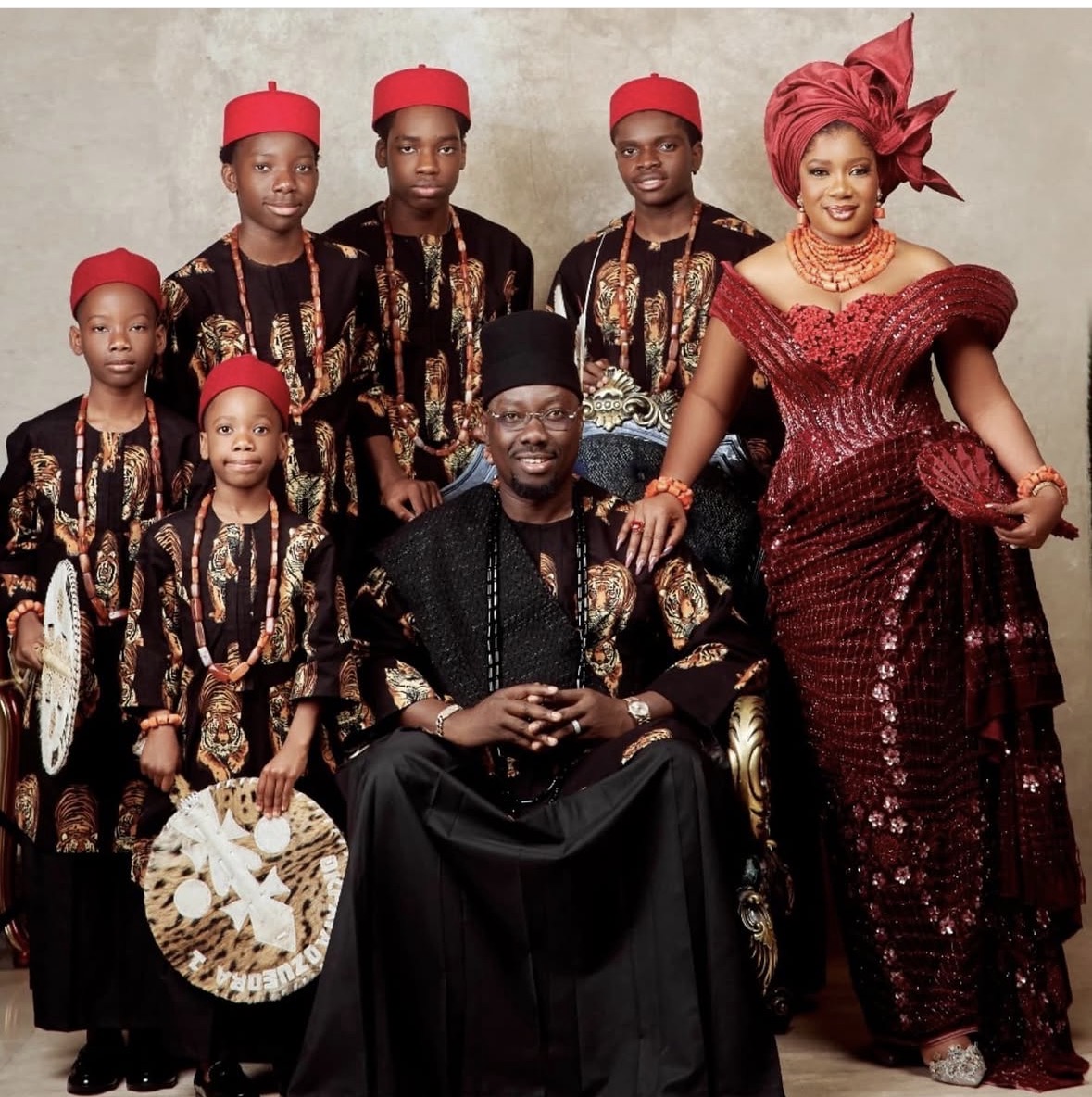
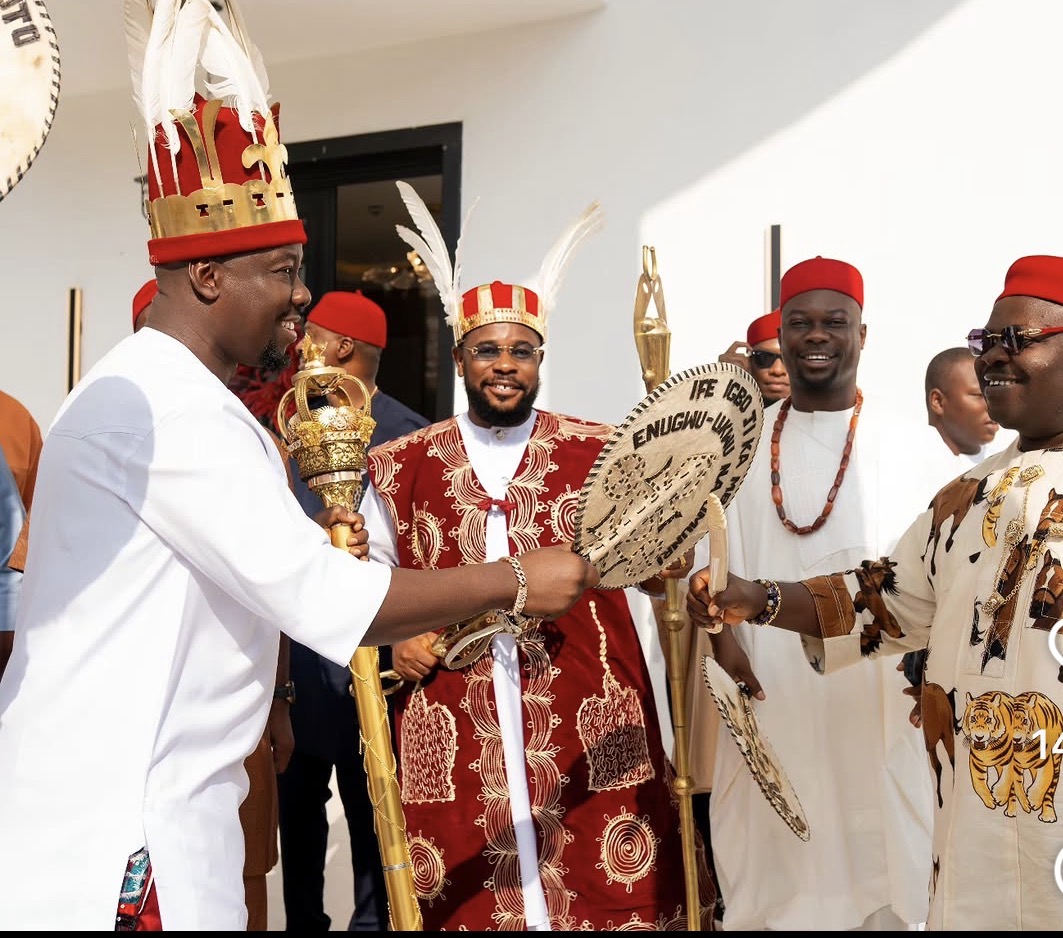
The Transatlantic era saw the forced migration of Igbos of all complexions, carrying this spectrum beyond the African continent. Igbo individuals were widely identified abroad under the name “Eboe,” and among enslaved populations, they were often distinguished from other Africans not only by language and customs but also by their complexion.
In Jamaica, this distinction became part of everyday language. The Dictionary of Jamaican English records the term “Red Eboe,” used for a person of light or yellowish complexion [12]. This reflects how Igbo individuals were visibly set apart during the slave era, where variation in tone remained observable within the population.
In the United States, particularly in the Chesapeake Bay and the Georgia Lowcountry, similar observations persisted. Igbo-descended populations were associated with a mahogany and copper range of tones, with lighter and mid-range complexions remaining visible across generations. This continued presence reflects the same distinguishing spectrum documented in the Atlantic world [10].
A Heritage at Risk: Dilution and Preservation
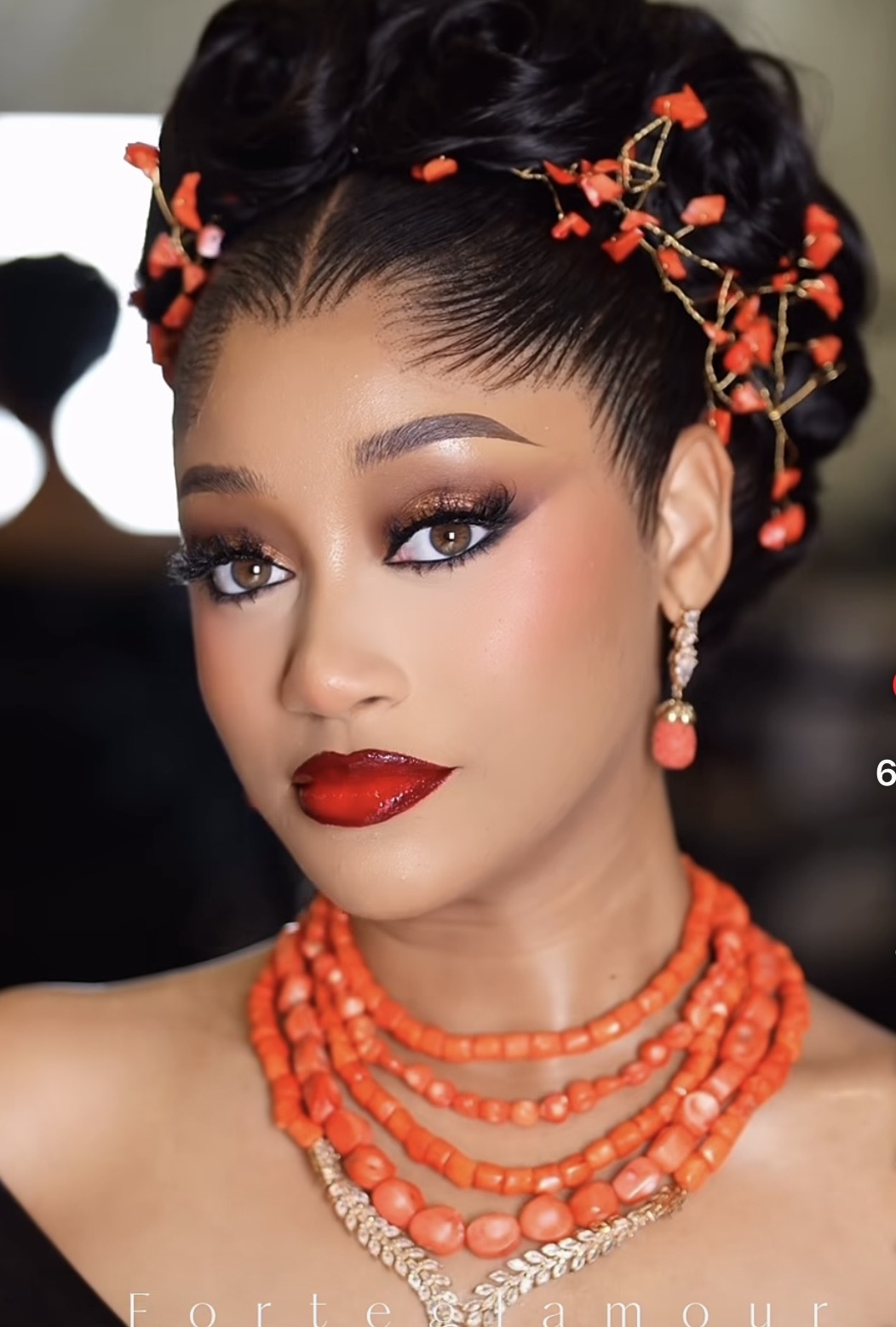
Today, the expression of the Igbo complexion spectrum remains consistent with a vast population of light-skinned Igbos, but reflects the combined influence of several underlying factors. Chief among these are interaction and intermarriage with neighboring populations noted to have more uniformly deeper pigmentation [6], as well as changes in diet, environmental exposure, and living conditions. Poorer nutrition, increased sun exposure, and physically demanding labor can affect how the skin appears over time, often deepening tone or reducing clarity [14][15].
These changes do not reflect a loss of the Igbo spectrum, but a shift in how it is expressed. Genetics provide the underlying base of complexion, and the full range from deep jet black and mahogany to bronze, copper, and lighter tones has always existed within the population. What varies is not the genetic foundation, but how these traits appear under changing conditions. While interaction and intermarriage with neighboring populations play a contributing role, nutrition, environment, and lifestyle remain key factors shaping how the spectrum appears over time.
In earlier periods, these factors were more balanced. Interaction with neighboring populations was more limited, diets were largely natural and nutrient-rich, and lifestyles, though active, were not shaped by the same level of environmental strain seen in later periods. As a result, the genetic spectrum was expressed with greater stability across the population, with lighter complexions appearing more prevalent than in later periods, and without the same degree of distortion introduced by modern conditions.
Conclusion
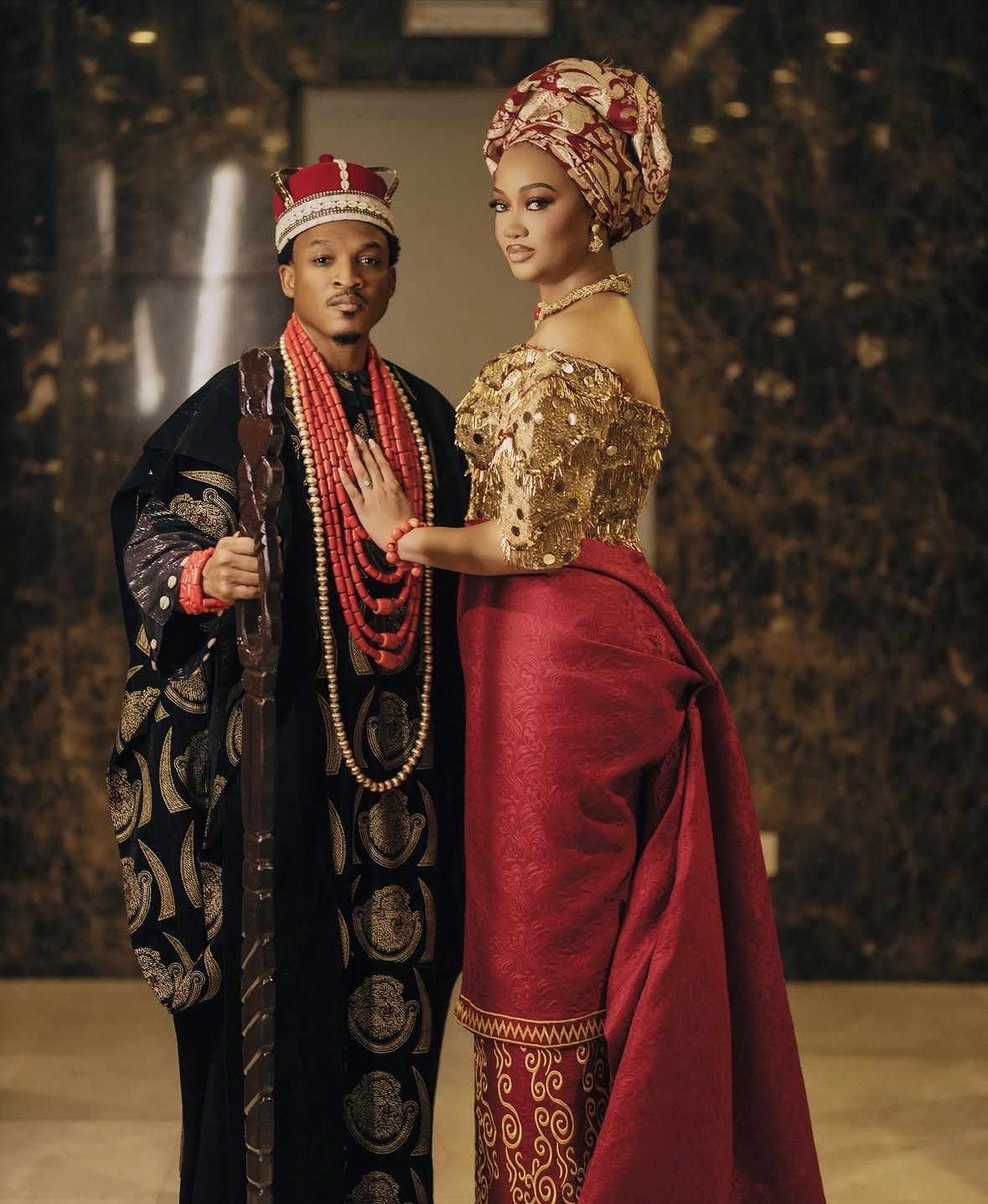
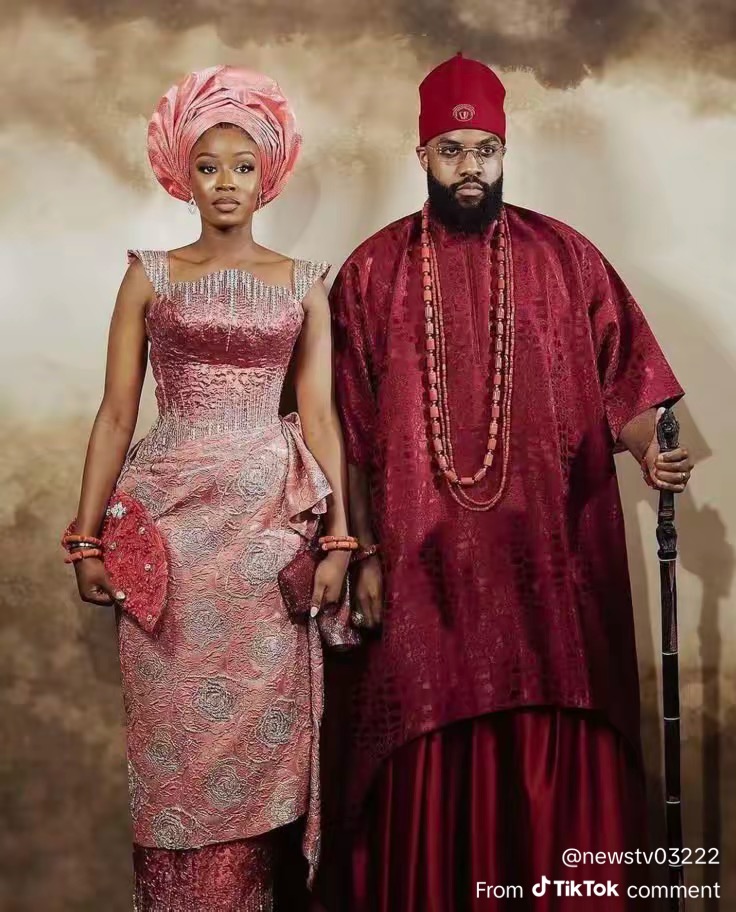
The Igbo spectrum; from deep-toned jet black and mahogany to bronze, copper, and lighter complexions stands as a historically documented and biologically consistent feature of the population. This range has been observed for centuries, recorded in both indigenous terminology and external accounts, and is supported by modern understanding of human genetic variation [14][15].
The concept of the “Red Igbo” reflects this identity, acknowledging a people whose phenotype spans a continuous and distinctive range in which deeper and lighter complexions have long existed side by side. This pattern is echoed in diaspora records such as “Red Eboe,” defined as a person of light or yellowish complexion, preserving that recognition and reflecting a spectrum marked by warmth, depth, and variation.
References
[1] Olaudah Equiano, The Interesting Narrative of the Life of Olaudah Equiano (1789)
[2] Hugh Crow, Memoirs of Captain Hugh Crow (1830)
[3] James Cowles Prichard, Researches into the Physical History of Mankind (1837)
[4] Edward Long, The History of Jamaica (1774)
[5] Early travel account describing an Eboe woman of notably light complexion
[6] A. E. Afigbo, Ropes of Sand
[7] Thomas Masterman Winterbottom, An Account of the Native Africans in the Neighbourhood of Sierra Leone. (1803)
[8] Adolphe Burdo, Travels in Central Africa / Niger and Benue (1880)
[9] P. Amaury Talbot, Glimpses of Southern Nigeria (1923)
[10] Douglas B. Chambers, Murder at Montpelier (2003)
[11] Michael A. Gomez, Exchanging Our Country Marks (1998)
[12] Frederic Cassidy & R. B. Le Page, Dictionary of Jamaican English (1967)
[13] Tishkoff, S. A., et al. (2009) The Genetic Structure and History of Africans and African Americans. Science.
[14] Crawford, N. G., et al. (2017) Loci associated with skin pigmentation identified in African populations. Science.
[15] Martin, A. R., et al. (2017) Human Demographic History Impacts Genetic Risk Prediction across Diverse Populations. Cell


Leave a Reply